

What Is Spray Painting and Why Is It Better?
Spray painting is one of the most effective ways to achieve a smooth, high-end finish in modern decorating. Unlike traditional brush and roller methods, it applies paint as a fine mist, creating an even, factory-quality surface. When done properly, it delivers a level of finish, consistency and durability that is difficult to achieve by hand.
What Is Spray Painting?
Spray painting uses specialised equipment to atomise paint into tiny droplets, which are then evenly distributed across a surface.
This creates:
- A smooth, uniform coating
- No brush or roller marks
- Consistent coverage across large and detailed areas
It is widely used in both residential and commercial environments, particularly where a high-quality finish is required, such as in professional spray painting projects involving kitchens, furniture and uPVC surfaces.
Why Spray Painting Produces a Better Finish
The biggest advantage of spray painting is the high-quality finish.
Because the paint is applied as a mist rather than physically rolled or brushed onto a surface, it avoids many of the common issues associated with traditional methods, including:
- Brush strokes
- Roller texture (often called “orange peel”)
- Uneven coverage
The result is a clean, smooth surface that closely resembles a factory-applied finish.
Real Example: Kitchen Transformation
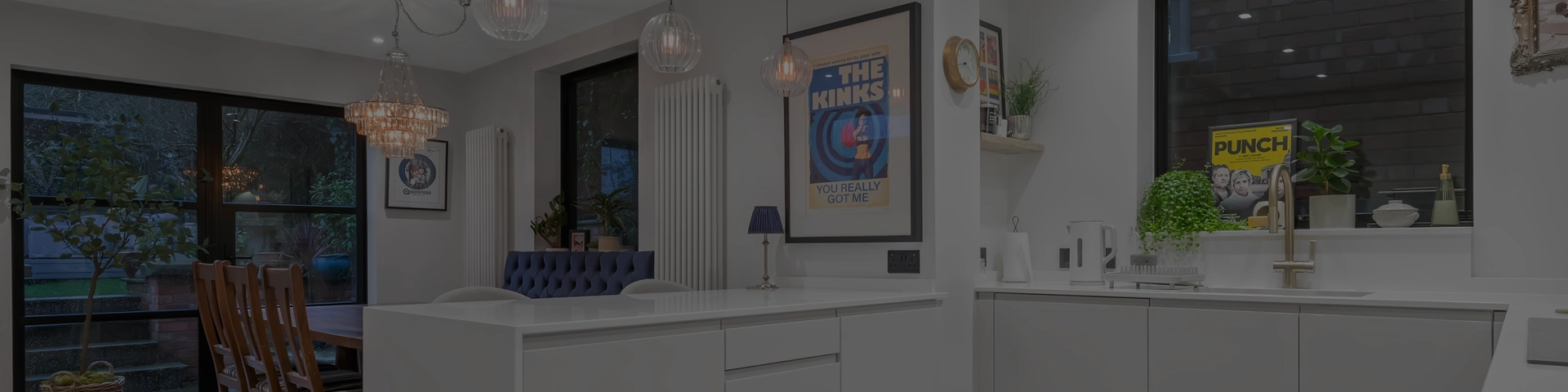
One of the most common uses of spray painting is kitchen refurbishment.
Instead of replacing an entire kitchen — which can cost anywhere from £8,000 to £25,000+ — many homeowners now choose kitchen painting and respraying as a cost-effective alternative.
Typical results:
- Full kitchen transformation at roughly 20–30% of replacement cost
- Factory-like finish on cabinet doors and panels
- Minimal disruption compared to full renovation
This makes spray painting one of the highest-value upgrades available in modern homes.
Speed vs Quality: Where Spray Painting Stands
Spray painting is often faster than traditional methods when used correctly, particularly on large or detailed surfaces.
For example:
- A full set of kitchen doors can often be completed within 2–4 days
- Large wall or ceiling areas can be coated more quickly than with rollers
However, the speed comes from application — not preparation. Surfaces still require extensive prep work to ensure a flawless result.
Preparation Is Even More Important with Spray Painting
Spray painting is unforgiving. It will highlight every imperfection in the surface.
This means:
- Scratches, dents and uneven areas become more visible
- Poor preparation leads to a visibly flawed finish
In professional work, preparation can take up to 60–70% of the total job time, particularly in detailed projects such as interior decorating where surfaces need to be perfectly smooth before spraying.
Where Spray Painting Works Best
Spray painting is not always the best option for every surface, but it excels in specific areas:
- Kitchen cabinets and units
- Furniture and fitted wardrobes
- Doors and woodwork
- uPVC windows and doors
- Large flat wall or ceiling areas
It is particularly effective where a consistent, high-end finish is required across multiple surfaces.
Durability and Longevity
When properly prepared and applied, spray finishes are extremely durable.
In many cases:
- Spray-painted surfaces can last 7–10 years or more
- Specialist coatings provide resistance to wear, moisture and cleaning
This makes spray painting ideal for high-use areas such as kitchens and hallways, where traditional finishes can wear down more quickly.
Common Misconceptions About Spray Painting
There are a few common misconceptions:
“It’s messy”
Professional spray painting involves careful masking and controlled environments, ensuring surrounding areas are fully protected.
“It doesn’t last”
When done properly with the correct preparation and materials, spray finishes are highly durable.
“It’s only for commercial use”
Spray painting is now widely used in residential homes, particularly for modern, high-end finishes.
Spray Painting vs Traditional Methods
Both methods have their place, but they serve different purposes.
Traditional brush and roller:
- Better for textured surfaces
- More forgiving on imperfect walls
Spray painting:
- Superior finish quality
- Faster on large or detailed surfaces
- Ideal for modern, clean aesthetics
In many projects, both methods are used together to achieve the best overall result.
Professional Spray Painting in Nottingham
At Boaden Renovations, spray painting is carried out using professional equipment, high-quality materials and a preparation-first approach.
This ensures every surface is properly prepared before application, delivering a smooth, consistent, and long-lasting finish.
Whether you’re updating a kitchen, refreshing furniture or looking for a high-end decorative finish, spray painting offers a modern solution that combines efficiency with exceptional results.